Introduction
The Shri Ram Mandir in Ayodhya is not just a place of worship; it is a powerful symbol of India’s rich cultural heritage, traditions, and values. Deeply rooted in history and mythology, the temple reflects the spirit of Indian civilization, unity, and devotion. The Ram Mandir plays a vital role in preserving and promoting Indian culture across generations.
- Center of Indian Traditions
Ram Mandir represents ancient Indian traditions, rituals, and customs. Daily prayers, aartis, festivals, and Vedic chants performed in the temple reflect India’s timeless spiritual practices.
- Inspiration from the Ramayana
The life of Lord Shri Ram, as described in the Ramayana, teaches values like truth, duty, sacrifice, compassion, and respect. These ideals continue to shape Indian society, culture, and moral thinking.
- Celebration of Festivals and Rituals
Major Hindu festivals such as Ram Navami, Diwali, Dussehra, and Makar Sankranti are celebrated with great devotion and cultural enthusiasm at Ram Mandir. These celebrations bring people together and strengthen cultural unity.
- Preservation of Art and Architecture
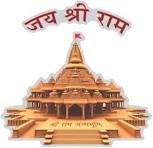
The architecture of Ram Mandir reflects ancient Indian craftsmanship and artistic excellence. Intricate carvings, sculptures, and temple designs preserve traditional art forms and inspire future generations.
- Symbol of Unity and Harmony
Ram Mandir stands as a symbol of unity, cultural pride, and collective faith. It brings together people from different regions, languages, and backgrounds, promoting national integration and cultural harmony.
- Global Cultural Identity
Ram Mandir has become a global symbol of Indian culture and spirituality. Devotees and tourists from across the world visit Ayodhya, spreading Indian traditions and values internationally.
Conclusion
The cultural importance of Ram Mandir goes far beyond religion. It represents India’s ancient heritage, moral values, artistic beauty, and cultural unity. The temple stands as a timeless cultural monument that inspires devotion, preserves tradition, and strengthens national pride.